Why Warm Treatment Issues: Enhancing the Toughness of Aluminum Foundry Elements
Warmth therapy plays a crucial duty in the efficiency of aluminum foundry elements. It alters the microstructure via precise cooling and heating, bring about enhanced mechanical properties. Strategies like service warmth therapy and aging add to enhanced strength and ductility. These advancements are essential for applications sought after industries. Comprehending the subtleties of warmth treatment can expose the secret to achieving optimum performance in aluminum alloys. What factors affect these processes?
The Basics of Warmth Treatment in Aluminum Alloys
Warmth treatment plays a necessary role in enhancing the properties of aluminum alloys made use of in foundry components. This procedure involves the application of regulated heating and cooling to modify the microstructure of the material, which directly influences its mechanical residential properties. By customizing the crystalline framework, warm therapy can enhance toughness, ductility, and deterioration resistance.
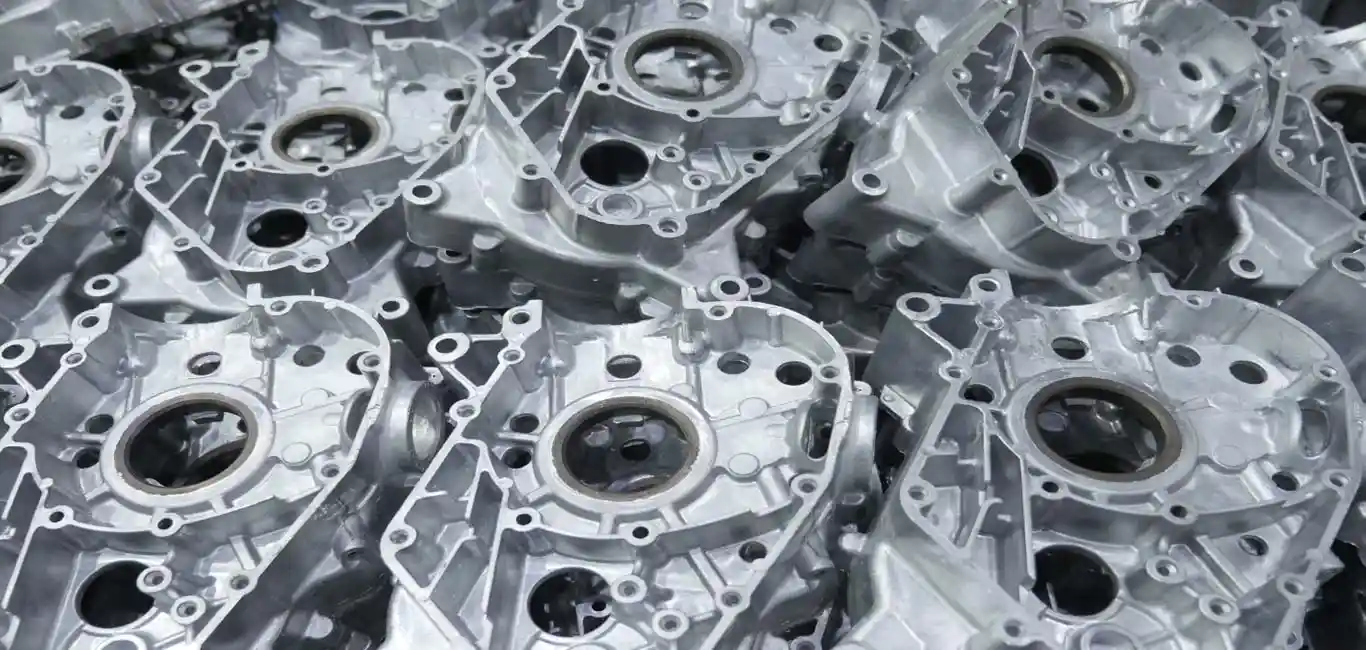
Understanding the basics of warmth therapy is crucial for suppliers intending to enhance the efficiency of aluminum elements. By tailoring these procedures, they can accomplish particular qualities essential for various applications, guaranteeing that the last product fulfills market standards and efficiency demands.
Kinds Of Warm Treatment Procedures
The warmth therapy of aluminum foundry elements includes different processes that significantly influence their mechanical residential or commercial properties. Amongst these, solution heat treatment and aging processes are vital for improving strength and resilience. Comprehending these techniques is necessary for maximizing the performance of aluminum alloys in various applications.
Remedy Warm Treatment
Option warmth therapy is a vital procedure in the manufacturing of aluminum foundry parts, targeted at boosting the product's toughness and deterioration resistance. This process involves home heating aluminum to a details temperature, generally in between 900 ° F and 1,000 ° F, complied with by rapid air conditioning, frequently referred to as quenching. The home heating enables for the dissolution of alloying elements right into a strong option, which is important for attaining desired mechanical buildings. By eliminating impurities and promoting an uniform microstructure, option warm therapy substantially boosts the product's efficiency in numerous applications. The quenching step maintains the alloying elements in a supersaturated state, setting the phase for subsequent treatments. This approach is fundamental for maximizing the characteristics of aluminum elements made use of sought after settings.
Aging Procedures Discussed
Adhering to option warmth therapy, aging procedures play a vital duty in further improving the homes of aluminum foundry components. Aging can be categorized right into 2 main kinds: all-natural aging and artificial aging. Natural aging happens at space temperature level, permitting the alloy to age slowly in time, which can cause better toughness and hardness. In contrast, fabricated aging includes heating the material to a certain temperature level for a specified period, accelerating the aging process and accomplishing preferred mechanical buildings more quickly. The moment and temperature specifications during man-made aging are essential, as they affect microstructural modifications that improve stamina. Understanding these aging procedures is basic for enhancing the efficiency of aluminum elements in numerous applications.
The Effect of Warmth Therapy on Mechanical Features
Warm treatment significantly influences the mechanical residential or commercial properties of aluminum alloys by enhancing their stamina and toughness. The procedure modifies the microstructure, bring about enhancements in performance characteristics. Additionally, the thermal cycle employed throughout heat therapy plays a crucial function in identifying the last residential properties of the material.
Reinforcing Aluminum Alloys
As aluminum alloys go through warmth therapy, their mechanical buildings can substantially boost, improving toughness and toughness. This process commonly includes option aging, quenching, and therapy, each playing a vital function in changing the alloy's features. Throughout solution treatment, alloying components liquify, developing a homogeneous framework - aluminum casting. Fast quenching protects against early precipitation, maintaining the alloy's boosted buildings. Aging, whether natural or fabricated, allows for controlled precipitation of strengthening phases, better increasing firmness and tensile stamina. The resulting improvements in mechanical buildings enable aluminum alloys to endure higher loads, resist deformation, and exhibit remarkable exhaustion resistance. Subsequently, heat-treated aluminum alloys are important in applications demanding high strength-to-weight proportions, such as aerospace, auto, and structural components, where efficiency and reliability are paramount
Microstructure Modification Results
When aluminum alloys go through warm therapy, the adjustments in their microstructure considerably affect their mechanical residential or commercial properties. Warm treatment processes such as solutionizing, annealing, and aging result in the dissolution of alloying elements and the development of precipitates. These changes boost sturdiness, toughness, and ductility. Throughout solutionizing, the consistent distribution of alloying elements takes place, which is vital for achieving optimal mechanical performance. Aging promotes the precipitation of great bits that obstruct misplacement movement, substantially raising return strength. In addition, the improvement of grain framework throughout warmth treatment adds to enhanced mechanical buildings by improving the alloy's resistance to contortion. Inevitably, the controlled microstructural adjustments accomplished with warm therapy permit aluminum foundry components to fulfill particular efficiency requirements in numerous applications.
Thermal Cycle Value
The importance of the thermal cycle in warmth treatment can not be overemphasized, as it directly affects the mechanical buildings of aluminum foundry elements. A well-optimized thermal cycle makes it possible for specific control over temperature and time, assisting in the desired phase makeovers within the metal matrix. This process improves stamina, ductility, and sturdiness by promoting uniform microstructure and minimizing recurring tensions. By very carefully adjusting the heating and air conditioning rates, makers can accomplish enhanced firmness and tiredness resistance, vital for high-performance applications. Furthermore, the thermal cycle aids in the dissolution of alloying elements, making sure optimal distribution and improving overall product buildings. Understanding and applying the appropriate thermal cycle is necessary for optimizing the performance of aluminum parts in requiring settings.
Warm Treatment and Its Duty in Tension Relief
Anxiety relief through warmth therapy is an essential procedure in the production of aluminum foundry elements, ensuring optimal efficiency and longevity. This strategy efficiently reduces recurring stresses that accumulate throughout casting and machining procedures. By subjecting components to controlled home heating complied with by cooling down, warm treatment advertises the redistribution of internal anxieties, which can bring about dimensional instability and early failing if left unaddressed.
The procedure not just boosts the mechanical properties of aluminum however additionally boosts its exhaustion resistance, making it a lot more appropriate for demanding applications. Certain temperature varieties and saturating times are thoroughly picked to accomplish perfect stress and anxiety alleviation without compromising the product's stability.
Inevitably, understanding the duty of warmth therapy in anxiety relief is crucial for makers intending to create top notch aluminum elements. By properly handling residual tensions, they can improve item dependability and expand the service life of their offerings in various industrial applications.
Tailoring Heat Treatment for Certain Applications
Customizing warmth therapy procedures to details applications calls for a deep understanding of both the material buildings and the functional needs of the end product. Different aluminum alloys show varying feedbacks to warm treatment, requiring a personalized technique for peak efficiency. Components subjected to high-stress environments might profit from aging treatments look at this website that enhance strength and solidity, while those revealed to harsh problems may need therapies that enhance surface honesty and resistance.
Furthermore, aspects such as cooling rates and temperature accounts can be adapted to accomplish wanted mechanical properties like ductility and fatigue resistance. By taking into consideration the planned use the part, engineers can pick proper warm therapy techniques-- such as service heat dealing with, relieving, and aging-- to fulfill certain performance standards. This customized method not just ensures that the components operate efficiently under their intended conditions but also optimizes their durability and reliability in requiring applications.
High Quality Control in Heat Therapy Processes
Guaranteeing the top quality of heat treatment procedures is important for accomplishing the wanted material residential properties and efficiency qualities in aluminum foundry elements. Strenuous quality assurance actions should be applied throughout the heat treatment cycle to preserve uniformity and integrity. This includes regular tracking of temperature, time, and environment during processes such as annealing, aging, and quenching.
Utilizing sophisticated techniques, such as information and thermocouples loggers, permits precise temperature control and verification. Furthermore, tasting and screening of products post-treatment can give understandings right into mechanical homes, such as tensile stamina and ductility.
Executing standard operating treatments assures that all personnel follow finest techniques, minimizing variability. Documents of each heat treatment batch is vital for traceability, permitting recognition and removal of any concerns. Overall, a complete top quality control program is important for enhancing the performance and durability of aluminum foundry parts.
Future Trends in Aluminum Heat Treatment Strategies
The future of aluminum heat therapy strategies is positioned for substantial advancements, driven by innovations in innovation and enhancing needs for boosted material efficiency. Arising approaches such as additive manufacturing and advanced robotics are anticipated to revolutionize warm treatment processes, allowing for extra specific control and modification. The assimilation of fabricated intelligence and equipment understanding will allow anticipating analytics, enhancing warmth therapy cycles for effectiveness and efficiency.
Furthermore, improvements in furnace technology, including energy-efficient layouts, will lower carbon footprints while keeping top notch output. The growth of alternative warmth sources, such as induction home heating, offers faster and a lot more uniform heating, more improving mechanical residential or commercial properties.
In addition, ongoing research study into novel alloy make-ups and heat treatment mixes promises to expose brand-new performance abilities, satisfying sectors such as aerospace and auto. Collectively, these fads will improve the versatility and application of aluminum elements, fulfilling future industrial demands.
Regularly Asked Questions
Exactly How Does Warmth Therapy Impact the Expense of Aluminum Elements?
Heat therapy can increase the cost of aluminum elements due to the extra power, tools, and labor required. Nevertheless, the resulting improved toughness get more and performance may validate the initial investment for numerous applications.
What Safety And Security Safety Measures Are Required During Warmth Therapy Processes?
During warmth therapy procedures, essential safety preventative measures consist of putting on safety equipment, guaranteeing appropriate ventilation, checking tools temperature levels, dealing with products very carefully to stop burns, and maintaining a safe range from warmth sources to reduce fire hazards.
Can Warmth Therapy Be Reversed if Required?
Warm treatment processes typically can not be turned around. When the material undertakes structural modifications, particularly in aluminum, recovering it to its original state is frequently difficult, limiting options for changes or repair work post-treatment.

Exactly How Does Aluminum Alloy Composition Impact Warmth Therapy Outcomes?
Aluminum alloy structure substantially impacts heat therapy end results, as different alloying elements and focus influence stage stability, mechanical properties, and action to thermal processes, eventually determining the efficiency of strengthening and performance improvements accomplished via treatment.
What Industries Benefit The Majority Of From Heat-Treated Aluminum Parts?
Aerospace, auto, and building sectors benefit considerably from heat-treated aluminum components (Aluminum Foundry). These fields use boosted strength and lightweight residential or commercial properties, boosting performance and efficiency in numerous applications, including structures, automobiles, and machinery, ensuring safety and security and toughness
Aluminum alloys typically go through procedures such as option warm treatment, where the alloy is warmed to liquify soluble components, complied with by fast cooling, which locks the components in location. The heat therapy of click aluminum foundry parts includes numerous processes that greatly affect their mechanical properties. Adhering to solution warmth therapy, aging procedures play a crucial duty in more enhancing the properties of aluminum foundry elements. By thinking about the intended use of the element, designers can pick appropriate heat therapy methods-- such as service heat treating, appeasing, and aging-- to satisfy particular efficiency requirements. Ensuring the high quality of warm therapy procedures is essential for achieving the desired material residential or commercial properties and efficiency attributes in aluminum foundry components.
Comments on “Top advantages of Precision aluminum casting for long-lasting components”